Understanding Indoor Air Quality: Essential Health Guide
Discover strategies to improve air quality in your home, reduce health risks, and ensure comfort with Top Tier Heating's HVAC solutions and maintenance tips.
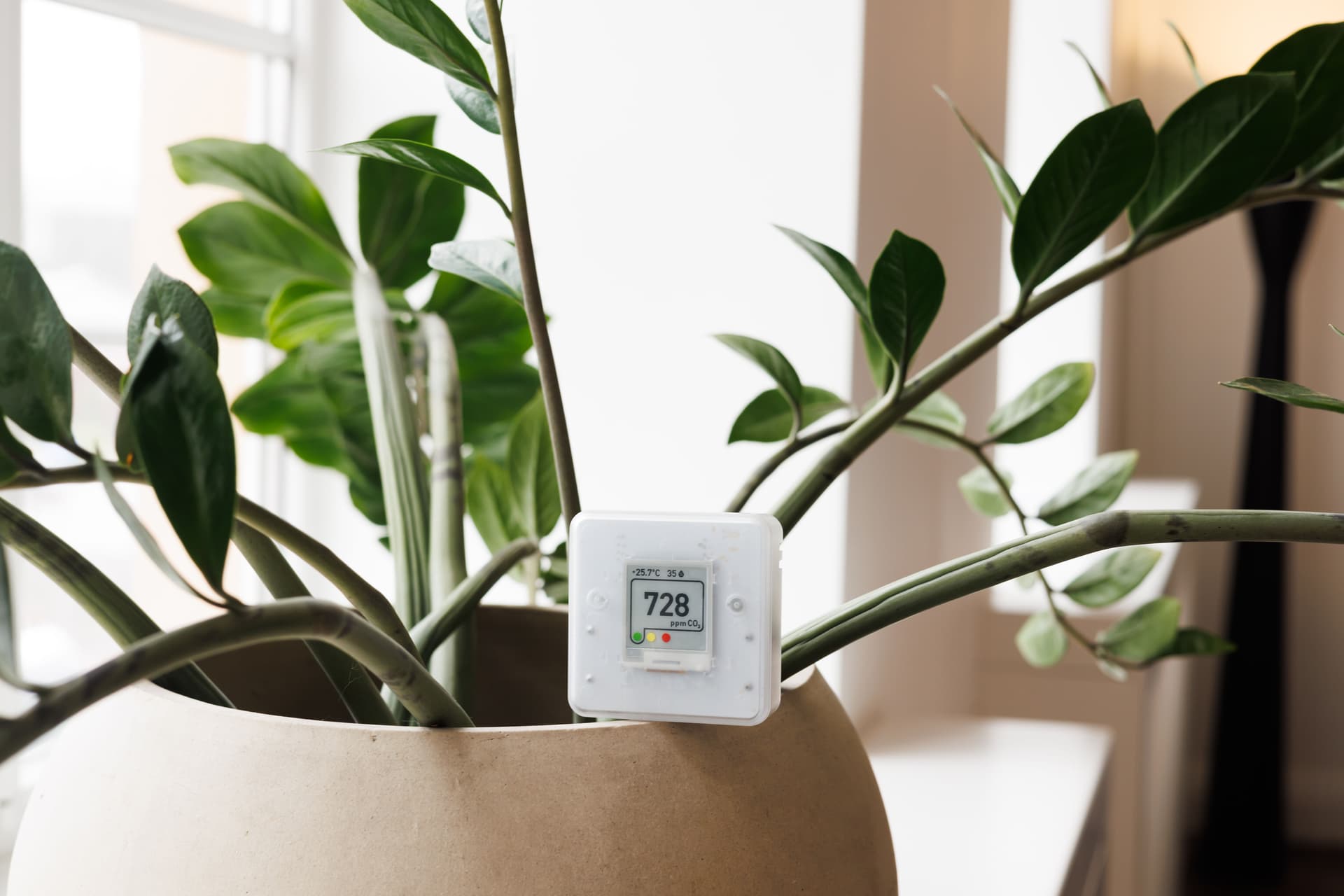
Understanding Indoor Air Quality Basics
Imagine returning home after a long day in Ham Lake, Minnesota, only to feel congested or fatigued without an obvious reason. This could stem from poor indoor air quality within your living space. We at Top Tier Heating understand that maintaining healthy indoor air quality is essential for families in our community, especially during pollen-heavy springs or dry winters.
Indoor air quality refers to the air quality within and around buildings, directly affecting the health and comfort of occupants. According to the U.S. Environmental Protection Agency, indoor levels of pollutants can be two to five times higher than outdoor concentrations, yet it’s often overlooked because issues are invisible. Key factors include ventilation to bring in fresh air, filtration to trap particles, and humidity control to prevent mold growth. Common sources in Minnesota homes like dust, mold from damp basements, and pet dander can exacerbate allergies and respiratory problems. For a deeper dive, explore this introduction to indoor air quality from the EPA.
At Top Tier Heating, we help improve home air purity through professional HVAC solutions, including hvac air purifier installation and indoor air quality testing service. Our guide ahead covers fundamentals, common pollutants, health effects, and strategies like advanced air filtration systems. With our licensed, insured, and certified technicians available for 24/7 emergency service, we ensure tailored maintenance and purification to create safer environments for Ham Lake residents and surrounding areas.
Core Principles of Indoor Air Quality
Indoor air quality refers to the condition of the air within buildings, especially homes, and its impact on occupant health and comfort. In Ham Lake, Minnesota, where seasonal changes bring varying humidity and temperature swings, maintaining residential air cleanliness is essential for preventing health issues. At Top Tier Heating and Air Conditioning, we emphasize foundational principles that guide our services in home pollutant control. Proper ventilation plays a key role by diluting indoor pollutants through controlled fresh air intake, as recommended by the EPA. This process involves introducing outdoor air to replace stale indoor air, reducing concentrations of harmful substances.
Ventilation basics begin with understanding air changes per hour, a measure of how often the air in a space is replaced. For a typical Minnesota home, achieving four to six air changes per hour helps circulate clean air effectively. We recommend integrating balanced systems that pull in fresh air while expelling stale air, preventing buildup of contaminants. The EPA advises ensuring combustion appliances are properly vented to avoid carbon monoxide risks, a step our licensed, insured, and certified technicians handle during installations. By optimizing airflow, homeowners can enhance overall air purity without compromising energy efficiency. This foundational approach sets the stage for healthier living environments in our community.
Common indoor pollutants arise from everyday sources and pose significant risks, particularly in enclosed spaces where levels can exceed outdoor concentrations. According to the EPA’s Indoor Pollutants and Sources guide, volatile organic compounds (VOCs) can be 2-5 times higher indoors than outdoors due to off-gassing from paints and cleaners. Identifying these sources is crucial because it allows targeted interventions to minimize exposure. Particulate matter, such as dust and particles, stems from furniture and outdoor entry, while biological contaminants like mold spores thrive in damp areas. Gases and radon also infiltrate homes, underscoring the need for vigilant monitoring in Minnesota’s variable climate.
The following table outlines key indoor pollutants, their common sources, and associated health risks:

Our duct cleaning and ventilation system installation/repair services at Top Tier directly address these pollutants by removing accumulated dust and mold from HVAC components. Regular maintenance, including filter changes, captures particles and VOCs before they circulate, aligning with EPA guidelines for protecting indoor air quality. These proactive measures not only reduce health risks but also extend system longevity, providing peace of mind for Ham Lake residents.
Humidity control is vital in Minnesota’s climate, where high moisture levels in basements can foster mold growth, exacerbating biological contaminants. HVAC systems mitigate this through dehumidification features and proper ductwork design that promotes even air distribution. We integrate advanced filters and recommend hvac air purifier installation to trap finer particles, enhancing filtration efficiency. By maintaining optimal humidity between 30-50%, homeowners prevent spore proliferation and maintain balanced air quality. Our preventative maintenance plans ensure these systems perform reliably year-round.

Illustrative guide to indoor air pollutants and their impacts
This infographic highlights visual connections between sources and risks, reinforcing the need for ongoing vigilance. Beyond basics, initial assessments reveal hidden issues; we offer indoor air quality testing service to measure pollutant levels accurately. Homeowners can start with simple checks like visual inspections for mold or CO detector verification. These steps, informed by EPA resources on protecting indoor air quality, lay groundwork for deeper health explorations in subsequent sections.
Exploring Health Impacts and Pollutant Details
Poor indoor air quality poses significant risks to health, particularly in homes across Ham Lake, Minnesota, where residents spend much of their time indoors. We understand the concerns surrounding air contaminant health risks, as they can lead to both immediate discomfort and lasting wellness challenges. According to EPA data, people spend about 90% of their time indoors, amplifying exposure to pollutants that contribute to respiratory issues and more.
Health Effects of Poor Air Quality
Indoor air quality in Ham Lake, Minnesota, directly influences daily well-being, with poor conditions triggering a range of symptoms from mild irritation to severe conditions. Short-term effects often include eye, nose, and throat irritation, while long-term exposure heightens risks of chronic diseases. The EPA reports that poor IAQ is linked to a 20% increase in asthma cases, especially among children and the elderly, underscoring the pollution impact on wellness in enclosed spaces.
Common symptoms vary by pollutant but frequently involve coughing, headaches, and fatigue, which can disrupt sleep and productivity. Vulnerable groups, such as those with pre-existing respiratory or cardiovascular conditions, face amplified dangers, including exacerbated allergies and reduced lung function over time.
The following table outlines health effects by pollutant type, helping residents recognize potential signs in their homes:

These impacts highlight the need for vigilance, as seemingly minor symptoms may signal deeper issues. If you notice persistent coughing or unusual fatigue, especially during heating seasons, it is time to seek professional evaluation. Our licensed, insured, and certified technicians at Top Tier Heating recommend prompt action to prevent escalation, tying directly into comprehensive testing for accurate diagnosis.
Detailed Pollutant Analysis
Common indoor pollutants require targeted understanding to address effectively in Ham Lake homes. Volatile organic compounds (VOCs) from paints, cleaners, and furnishings off-gas into the air, causing irritation and headaches; detection involves air sampling, while HVAC mitigation strategies like enhanced filtration reduce their concentration. In Minnesota basements, radon—a colorless, odorless gas—seeps from soil, posing cancer risks; we advise regular monitoring, as EPA guidelines emphasize ventilation to dilute it.
Biological agents, including pet dander, mold spores, and bacteria, thrive in damp areas, triggering allergies and infections. Carbon monoxide from faulty furnaces presents an invisible threat, leading to dizziness or worse; proper maintenance prevents leaks. Ventilation plays a key role in diluting these contaminants, with systems distributing fresh air to maintain balance.
For mitigation, improving indoor air quality starts with HVAC upgrades. We offer hvac air purifier installation to capture particulates and VOCs, using high-efficiency filters as recommended by the EPA to keep humidity between 30-50% and prevent mold. These solutions not only enhance air circulation but also boost system efficiency, protecting family health year-round.
Role of Testing in Identification
Professional indoor air quality testing service is essential for pinpointing hidden issues in your home. At Top Tier Heating, our certified technicians employ advanced protocols, including particulate sampling for dust and allergens, gas detection for CO and radon, and microbial analysis for biological agents. These methods provide precise data, often using portable monitors and lab-verified tools to assess airflow and humidity.
We conduct thorough inspections tailored to Minnesota’s climate, identifying sources like duct contaminants or ventilation gaps. This service ensures targeted remedies, such as duct cleaning or system adjustments, delivering peace of mind and healthier living spaces.
Hands-On Ways to Enhance Home Air Quality
Improving indoor air quality in your Ham Lake, Minnesota home starts with simple, everyday actions that can make a noticeable difference in comfort and health. We recommend incorporating these habits to address common pollutants like dust, pollen, and allergens that accumulate in residential spaces.
Daily Habits and Quick Fixes
Start by prioritizing ventilation routines to refresh the air inside your home. Why focus on this? Poor ventilation traps contaminants, leading to respiratory issues, but regular air exchange dilutes these pollutants effectively. How to do it: Open windows for 15-30 minutes daily when outdoor air quality is good, especially in milder Minnesota seasons, and run exhaust fans in kitchens and bathrooms during cooking or showering to remove moisture and odors. The benefit includes reduced humidity buildup, which prevents mold growth and enhances overall freshness.
Next, adopt cleaning practices that target airborne particles. Vacuuming with a HEPA-filter equipped vacuum captures fine dust that standard models miss. We suggest doing this weekly on carpets, rugs, and upholstery, emptying the canister outside to avoid re-releasing particles. This practical air purification method lowers allergen levels by up to 50%, promoting better sleep and fewer allergy symptoms.
Incorporate plant-based home improvement techniques by adding air-purifying houseplants like spider plants or peace lilies, which naturally filter toxins. Dust surfaces with microfiber cloths to trap rather than scatter particles, and avoid chemical-heavy cleaners by opting for natural alternatives. For quick fixes, use baking soda in carpets overnight to neutralize odors before vacuuming. These steps require minimal effort but yield immediate improvements in air freshness, particularly helpful during pollen-heavy springs in Ham Lake.
Safety note: When opening windows, check for local air quality alerts, as Minnesota’s variable weather can introduce outdoor pollutants.
HVAC Maintenance Routines
Regular HVAC upkeep is essential for maintaining clean air circulation in your home, especially given Minnesota’s extreme temperature swings that strain systems. We advise focusing on filter changes and tune-ups to optimize performance and filtration.
Begin with filter replacement, a core task for any homeowner. Filters trap dust, pet dander, and pollen, but they clog quickly in dusty environments like Ham Lake. Replace standard filters every 1-3 months, or more frequently during high-pollen seasons—check your model’s rating for MERV 8-13 levels for balanced airflow and capture. This simple action, as noted in AC maintenance guides, includes filter checks in preventive plans to maintain efficiency, reducing strain on your system and improving air quality.
Schedule annual HVAC tune-ups to address deeper issues. Our recommended process involves a 10-point inspection: clean evaporator and condenser coils to remove buildup that harbors bacteria, verify refrigerant levels to prevent leaks, and test airflow through ducts. In Minnesota winters, add a seasonal checklist—inspect for ice damage and ensure vents are clear of obstructions. Professionals perform these with certified tools, but DIYers can start with coil wiping using mild soap. Benefits include extended system life by up to 15 years and 4-5% energy savings, per energy efficiency data.
For enhanced filtration, consider hvac air purifier installation options like UV lights or whole-home units. These integrate with your existing setup to target viruses and odors. Installation involves assessing duct compatibility and professional setup for safety, yielding up to 99% particle removal as seen in quality services. Pair this with smart thermostat integration to automate fan runs for constant air mixing. These routines prevent costly breakdowns and ensure consistent practical air purification year-round. Safety tip: Always turn off power before DIY filter or coil access to avoid electrical hazards.
Professional Interventions
While DIY efforts build a strong foundation, certain situations demand expert input to achieve optimal indoor air quality in Ham Lake, Minnesota. We suggest calling professionals when routine maintenance reveals persistent issues like uneven temperatures or musty odors, or for advanced upgrades that exceed homeowner capabilities.
Choosing between DIY and professional approaches depends on your home’s needs and complexity. DIY methods offer low-cost, immediate control but may lack precision in detection or installation, potentially missing hidden contaminants. Professional services provide thorough assessments and long-term solutions, ideal for comprehensive improvements, though they involve upfront investment. A hybrid strategy often works best, starting with personal habits and escalating to experts for verification.
The following table compares key methods for air quality enhancements:

As illustrated, professional interventions like indoor air quality solutions excel in depth and reliability. At Top Tier Heating and Air Conditioning, we offer indoor air quality testing service to identify pollutants accurately, followed by tailored fixes such as duct cleaning or purifier setups. Our licensed, insured, and certified technicians handle installations with transparent pricing, ensuring up to 99% particle removal for healthier air. For sudden issues, our 24/7 emergency response gets you back on track quickly.
We recommend engaging us for annual tune-ups or when integrating advanced features like smart thermostats, which optimize ventilation automatically. Need Financing? Our options, including promotional plans, make these upgrades accessible. This partnership not only boosts efficiency but also leverages our expertise in Minnesota-specific challenges, like winter humidity control, for lasting home comfort. Contact us to request service and explore fall savings up to $1,500 off new installations.
Advanced Filtration and System Optimization
Indoor air quality in Ham Lake, Minnesota, demands more than basic solutions, especially for homeowners facing seasonal allergens and pollutants. Over the years, filter technology has evolved from simple mesh screens to sophisticated filtration tech that tackles microscopic threats. We at Top Tier Heating and Air Conditioning recognize this progression and offer premium air cleaning options to enhance your home’s environment.
High-Efficiency Particulate Air (HEPA) filters represent a cornerstone of advanced indoor air purification. What is a HEPA filter? It is a specialized air filter designed to capture 99.97% of particles as small as 0.3 microns, including dust, pollen, mold spores, and even some bacteria, according to EPA guidelines on indoor pollutants and sources. Unlike standard filters, HEPA units trap fine particles that basic ones miss, significantly reducing airborne irritants. This makes them ideal for families dealing with allergies or asthma, where cleaner air can alleviate symptoms and improve daily comfort. Our licensed, insured, and certified technicians install these systems seamlessly into existing HVAC setups, ensuring optimal airflow without compromising efficiency.
The following table compares key aspects of filter types to guide your upgrade decisions:

As shown, HEPA filters provide superior capture rates but at a higher initial cost, drawing from EPA data on pollutant mitigation. For Ham Lake residents, selecting the right filter involves assessing your home’s specific needs, such as pet dander or outdoor pollen intrusion. We recommend starting with an evaluation to match efficiency with budget.
Beyond HEPA, other advanced technologies elevate indoor air quality further. UV light purifiers use ultraviolet radiation to neutralize viruses, bacteria, and mold on surfaces, while ionization systems charge particles to make them adhere to surfaces for easier removal. Zoning allows targeted treatment in high-use areas, and smart IAQ monitors track real-time levels of humidity, VOCs, and particulates. Integrating an indoor air quality testing service helps baseline your home’s conditions before and after upgrades.
At Top Tier, our ventilation services incorporate these elements, including hvac air purifier installation for whole-home or ductless systems. Benefits extend to allergy-prone families through reduced respiratory triggers and enhanced energy savings. Maintenance for these high-efficiency setups involves quarterly checks and filter replacements to sustain performance. We provide transparent pricing and honest advice, ensuring your investment in sophisticated filtration tech delivers lasting results. Contact us for a consultation tailored to your Ham Lake home.
Common Questions About Indoor Air Quality
At Top Tier Heating, we frequently hear air quality queries from Ham Lake residents concerned about indoor air quality in Ham Lake, Minnesota. Our expertise in testing and purification helps address these common IAQ concerns. Below, we answer some frequent questions.
How often should I test air quality?
We recommend testing annually or after renovations to identify pollutants like radon, as the EPA advises checking basements. Our indoor air quality testing service provides thorough assessments tailored to local homes, ensuring safe environments year-round.
What’s the difference between air purifiers and HVAC filters?
HVAC filters passively capture particles within the system, while air purifiers actively eliminate contaminants through advanced technology. For superior results, we offer hvac air purifier installation to enhance overall air circulation and purity.
Can HVAC maintenance really improve IAQ?
Yes, routine maintenance optimizes airflow, cleans components, and reduces pollutant buildup, directly boosting air quality. This includes duct cleaning to prevent contaminants from spreading; for businesses, our commercial ductwork services ensure efficient ventilation in larger spaces.
Are HEPA filters worth it in Minnesota?
Definitely, HEPA filters excel at trapping fine pollen and dust during intense allergy seasons here. They integrate seamlessly with our systems for effective, long-term IAQ management in cold climates.
When should I call for emergency air issues?
Contact us immediately for sudden odors, visible mold, or unexplained symptoms, as these signal urgent problems. Our 24/7 response team diagnoses and resolves issues swiftly to protect your health.
These insights recap essential IAQ strategies, highlighting our commitment to healthier homes.
Achieving Optimal Home Air Quality
Maintaining superior home air in Ham Lake, Minnesota requires proactive steps to combat pollutants and health risks. From understanding common contaminants to leveraging HEPA filters for cleaner ventilation, consistent HVAC maintenance ensures lasting purity solutions and reduces respiratory issues, as noted by the EPA.
At Top Tier Heating, we provide comprehensive services like hvac air purifier installation and indoor air quality testing service, alongside 24/7 emergency response and preventative plans with licensed technicians. Our expertise delivers efficient upgrades tailored to local climates.
Assess your air quality today and contact us for a consultation. Financing options make improvements accessible—serving Ham Lake and beyond with certified solutions.