Refrigerant Leaks: Fix Frozen Evaporator Coils Step-by-Step
Discover how to address frozen evaporator coils from refrigerant leaks in your AC system. Step-by-step solutions for optimal performance.
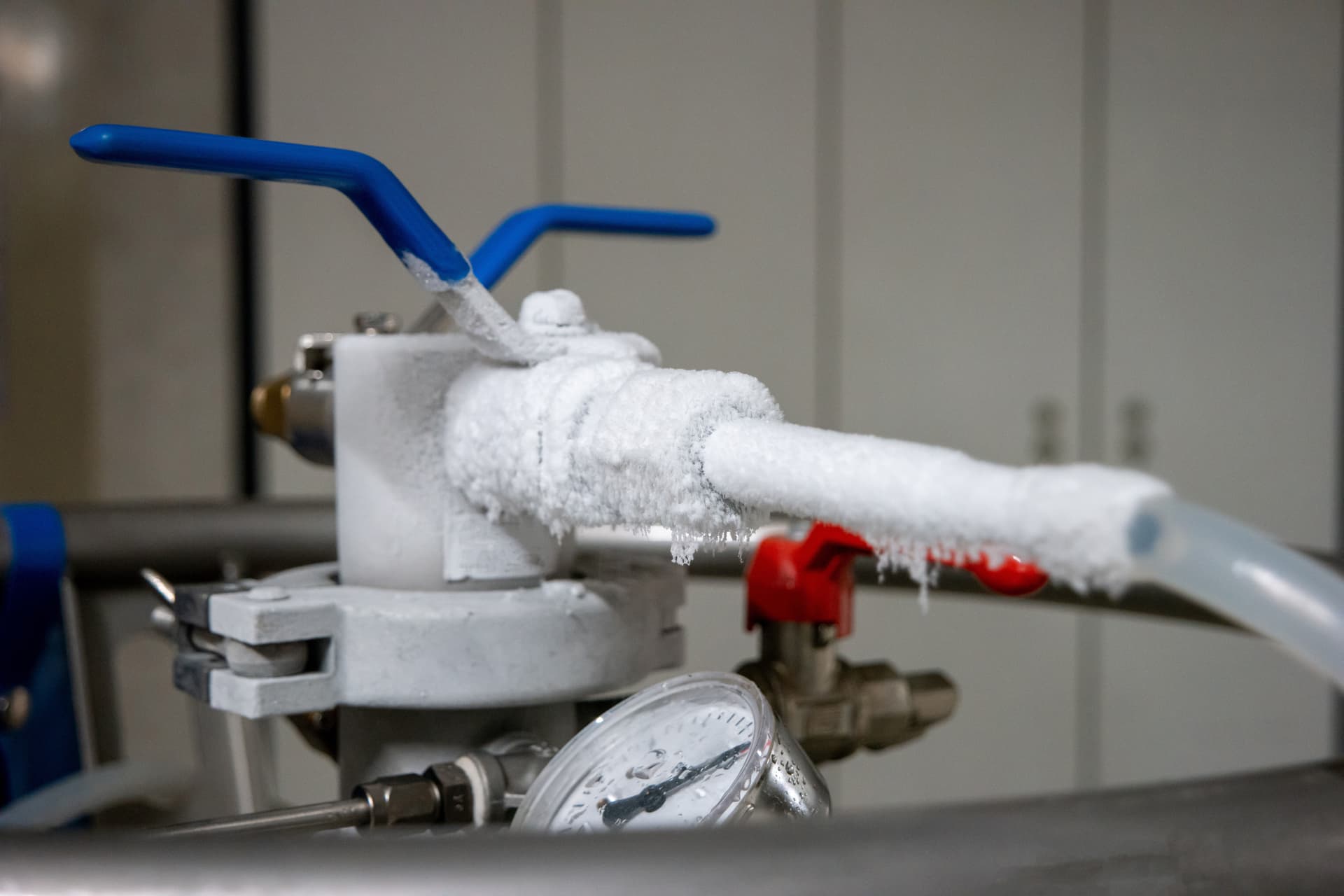
The Impact of Refrigerant Leaks on AC Performance in Ham Lake Homes
Beyond basic wear, refrigerant leaks uniquely devastate performance in your Ham Lake home AC system. These leaks create low refrigerant pressure, starving the unit of its cooling agent and leading to inadequate cooling during Minnesota’s humid summers. We at Top Tier Heating and Air Conditioning see this issue frequently in older homes here in Ham Lake, where high humidity worsens the problem.
Common symptoms signal trouble early. According to Top Tier Heating, our local HVAC service provider expertise highlights these signs in Ham Lake AC units:
Warm air output from vents despite the thermostat setting.
Hissing or bubbling sounds near the outdoor unit.
Frozen evaporator coils, caused by low pressure restricting airflow.
Higher energy bills from the system running longer.
These indicators demand attention to prevent further damage.
Performance suffers dramatically from untreated refrigerant leakage. Low levels cause the compressor to overwork, risking total failure and efficiency drops of 20 to 40 percent, as ASHRAE professional engineering association guidelines note for similar capacity reductions. In Ham Lake homes with 10+ year units, this strain escalates quickly amid sticky summer air, spiking bills and comfort loss.
Prompt air conditioner repair prevents escalation and avoids $1,000+ replacement costs. We urge checking your system now. For more, consult the air conditioning consumer guide—learn detection next.
Core Causes and Early Signs of Refrigerant Leaks
While poor cooling hints at broader air conditioning issues, refrigerant leaks present specific causes and early signs that demand prompt attention. These leaks not only compromise comfort in Ham Lake homes but also lead to higher energy costs and potential environmental harm. According to the U.S. Environmental Protection Agency (EPA), as authoritative federal regulations on refrigerant leak management, losses exceeding 15% annually trigger mandatory repairs. At Top Tier Heating and Air Conditioning, we see these issues frequently in our service area, emphasizing the need for vigilance to maintain system efficiency.
Causes of Refrigerant Leaks
Corrosion stands out as a primary culprit, especially in units over 10 years old, where exposure to moisture and contaminants creates pinhole leaks in coils and lines. The American Society of Heating, Refrigerating and Air-Conditioning Engineers (ASHRAE), as professional engineering society benchmarks, highlights how maintenance neglect accelerates this in AC equipment. Vibration wear arises from loose components or imbalanced fans, causing friction tears over time across all systems. Factory defects, though rarer, involve weld failures or manufacturing flaws in new installations, potentially leading to sudden system failure.
Homeowners must hire pros with EPA refrigerant certification for safe, legal repairs to avoid voiding warranties.
The following table, drawing from data in ASHRAE and EPA guidelines as well as local Ham Lake service observations, compares primary causes, their frequency, prevention methods, and impact levels for quick homeowner reference:
Common Causes of Refrigerant Leaks Comparison

This comparison underscores how proactive steps like annual inspections can mitigate high-frequency issues like corrosion, preserving efficiency and extending equipment life. Vibration wear responds well to simple securing during routine tune-ups, while factory defects necessitate early warranty claims. Leaks from these sources can reduce system efficiency by up to 20%, per industry patterns noted by ASHRAE, making prevention essential for cost savings in our Ham Lake community.

Common causes, frequencies, and prevention of AC refrigerant leaks
Early Signs of Refrigerant Leaks
Don’t panic—early detection saves money and avoids major disruptions. Watch for these prescriptive indicators of AC refrigerant leakage:
Hissing or bubbling sounds near the outdoor unit, signaling escaping gas.
Ice formation on frozen evaporator coils inside the air handler, as low refrigerant pressures cause coils to frost over.
Warm air blowing from vents despite correct thermostat settings.
Rising energy bills by 20-30%, due to the system overworking.
Reduced airflow or unusual compressor cycling.
Diagnosing Refrigerant Leaks and Frozen Coils in Depth
Building on common signs like hissing sounds and ice buildup, professionals at Top Tier Heating and Air Conditioning diagnose refrigerant leaks using precise methods tailored for homes in Ham Lake.
Advanced Detection Techniques for Leaks
Technicians in Ham Lake rely on advanced tools far superior to basic DIY checks for pinpointing refrigerant leaks. Electronic sniffers detect halogenated refrigerants with high sensitivity, alerting to even trace amounts through audible and visual signals. UV dye injection involves adding fluorescent dye to the system; under blacklight, leaks glow brightly at joints or coils, enabling precise location. Ultrasonic detectors identify high-frequency sounds from escaping gas, ideal for noisy environments.
Leak Detection Methods Comparison

Causes and Thawing Frozen Evaporator Coils
Low refrigerant levels from leaks stand as the primary cause of frozen evaporator coils, dropping pressure and temperature until moisture ices over. Secondary factors include dirty air filters restricting airflow, faulty blower fans, or blocked drains.
Turn off the AC unit immediately to halt compressor operation and prevent damage.
Switch the thermostat to “fan only” mode for gradual melting—typically 24-48 hours.
Once thawed, inspect filters and replace if clogged; check drains for backups.
Test the system and call licensed professionals for leak repairs.
Linking Leaks to System Inefficiencies
Refrigerant leaks create low pressure, causing evaporator coils to freeze and block heat exchange, slashing cooling capacity by up to 20-40% from duct and system losses. Following R-454B installation best practices prevents such issues.
Hands-On Repair Methods for Refrigerant Leaks in Ham Lake
Once a refrigerant leak is confirmed, follow this hands-on repair guide. We at Top Tier Heating and Air Conditioning provide professional air conditioner repair services in Ham Lake.
Step-by-Step Leak Repair Process
System diagnosis: Pinpoint exact location with electronic detectors.
Safe evacuation: Recover refrigerant per EPA guidelines.
Leak repair: Use brazing for metal joints or epoxy for fissures.
Pressure testing: Nitrogen purge to verify seal integrity.
Recharge: Vacuum moisture and recharge with R-410A.
Cost Factors and Local Pricing in Ham Lake
AC Repair Cost Comparison by Issue

DIY Risks vs Professional Service
Key risks of DIY include EPA Section 608 violation fines up to $44,539 and voided manufacturer warranties. Leave it to certified pros to avoid costly mistakes.
Advanced Preventive Strategies for AC Refrigerant Management
Our premium plans include bi-annual inspections. Premium plans deliver 30%+ cost savings over basic annual tune-ups’ 10-20%.
Maintenance Plans Comparison

Frequently Asked Questions on AC Refrigerant Leaks
Q: What causes refrigerant leaks in AC systems?
Corrosion of metal lines and wear on evaporator coils often lead to leaks.
Q: What are signs of AC refrigerant leaks?
Look for frozen evaporator coils, hissing sounds, and warm air from vents.
Key Takeaways for Optimal AC Performance in Ham Lake
Refrigerant leaks cut efficiency and trigger frozen evaporator coils.
Schedule air conditioner repair for warm air or ice signs.
Book annual tune-ups before June.
Clean air filters every 30 days.
This article was researched and written with the assistance of AI tools.